-
Empowering Young Innovators in a Premier Early Childhood Environment
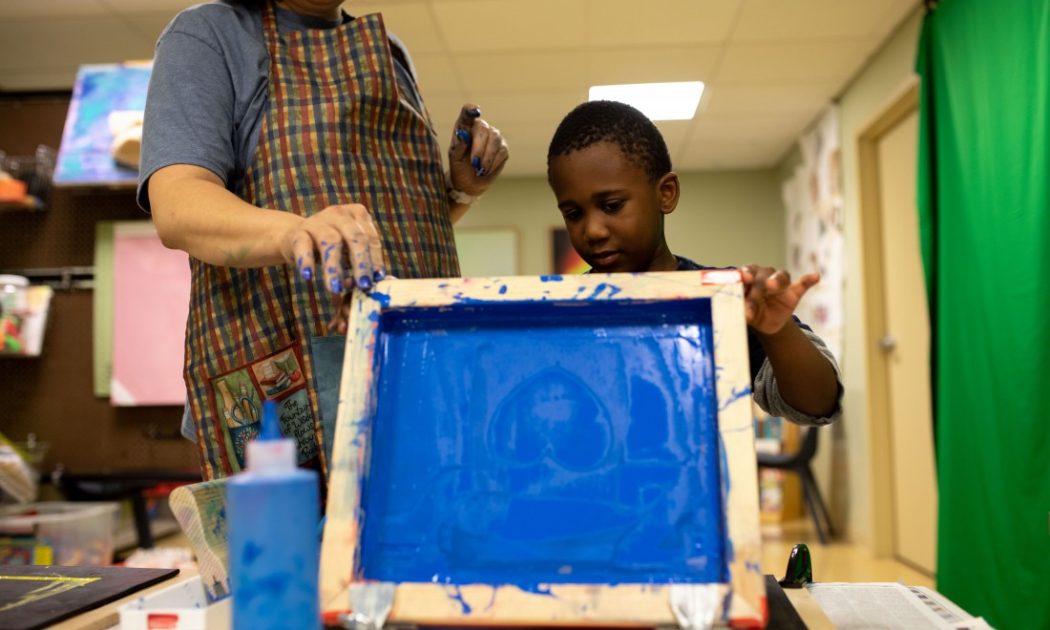
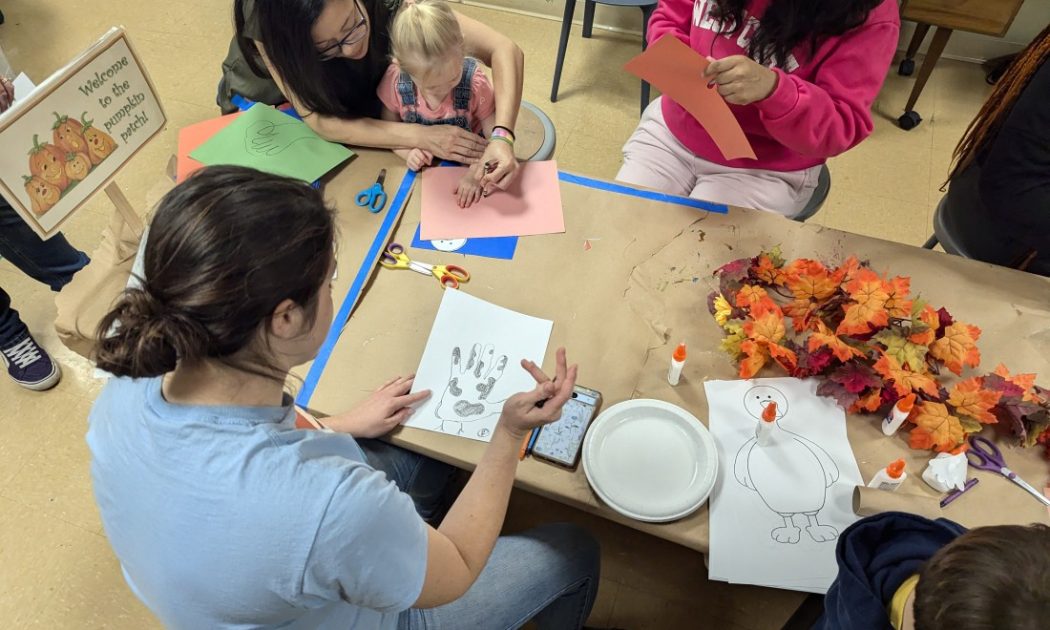
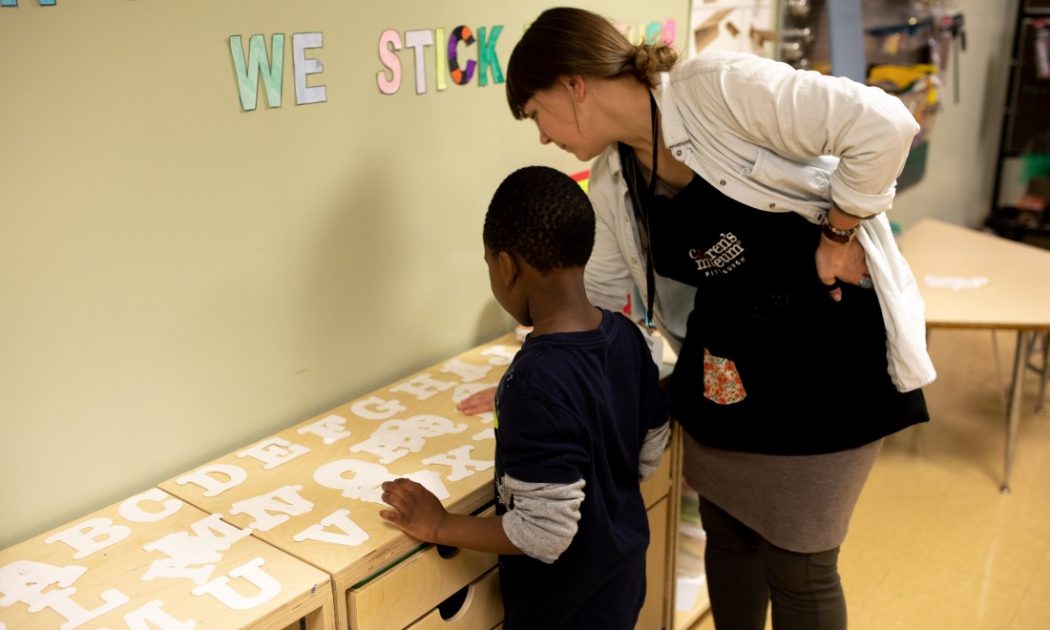
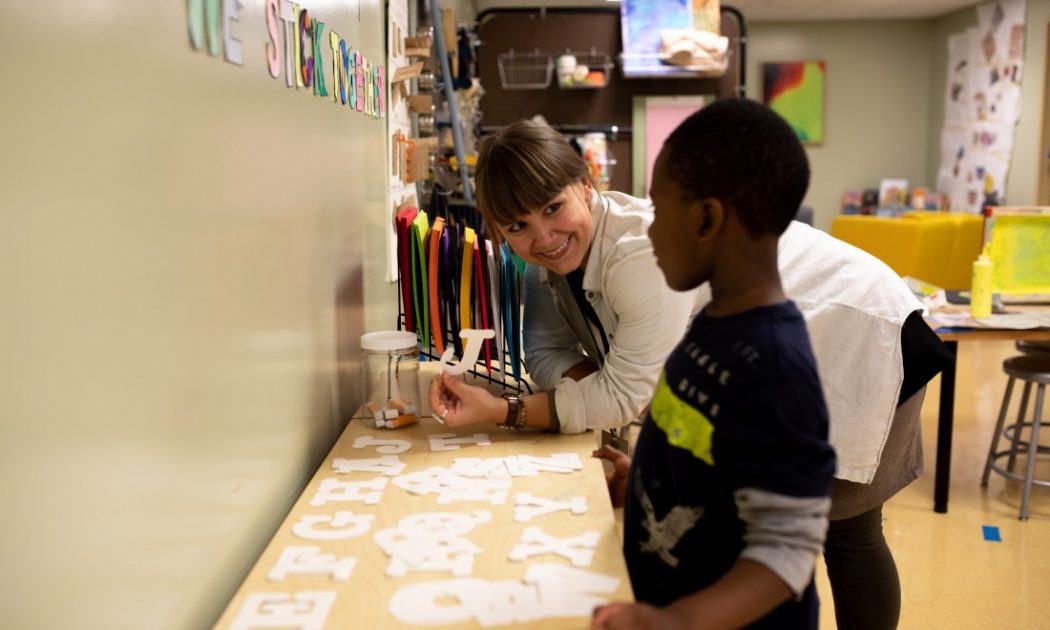
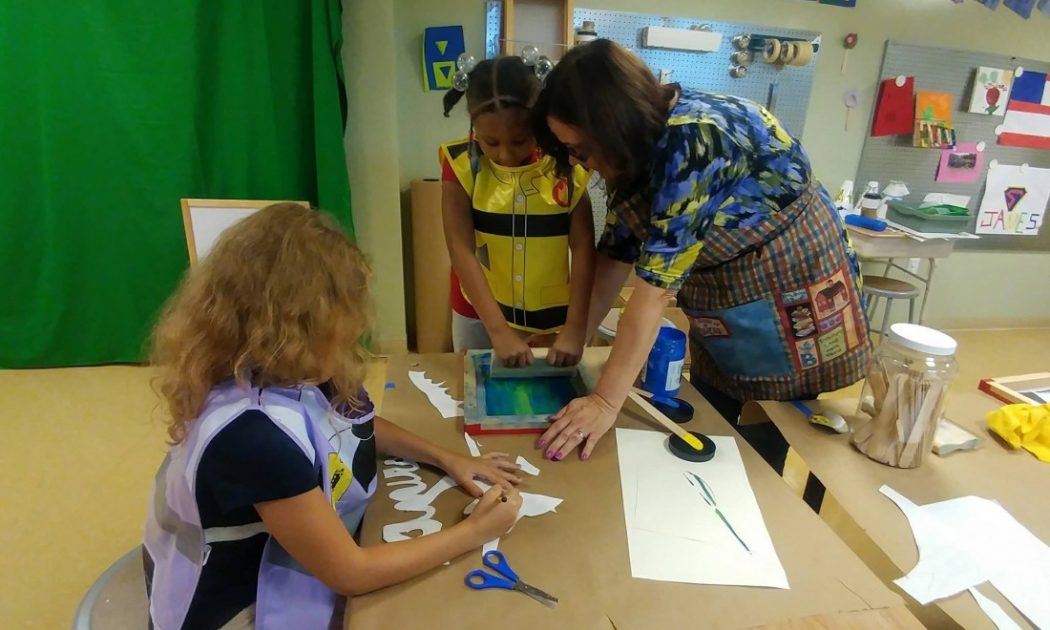
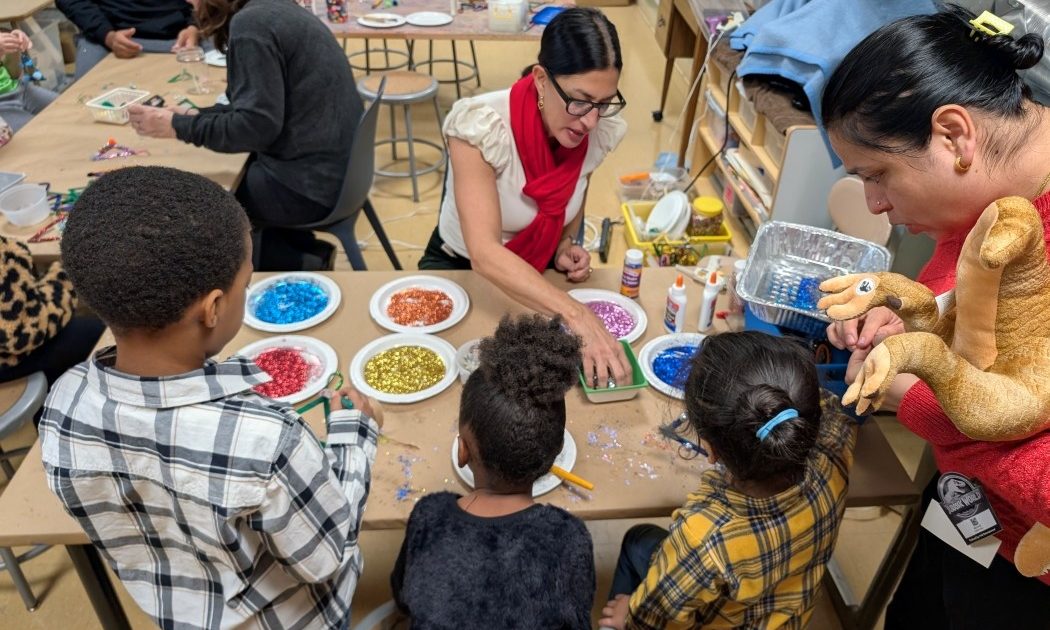
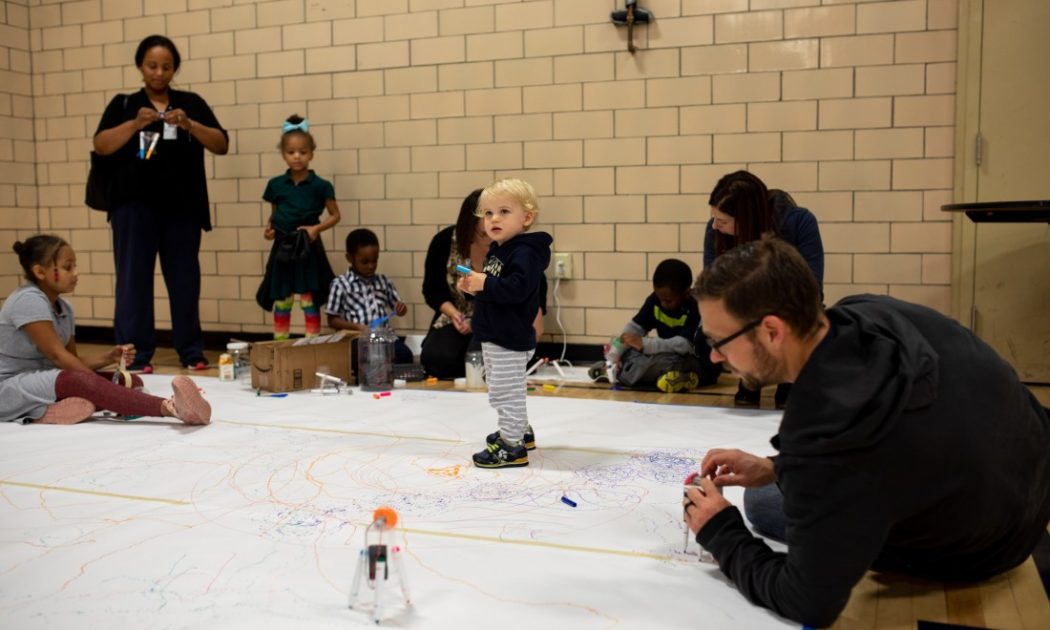
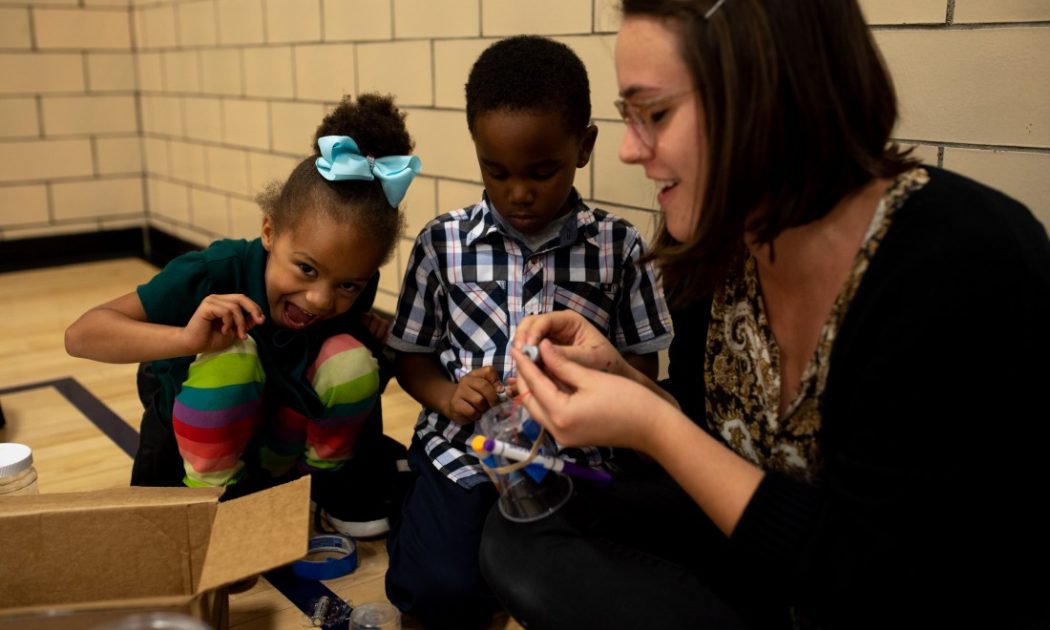
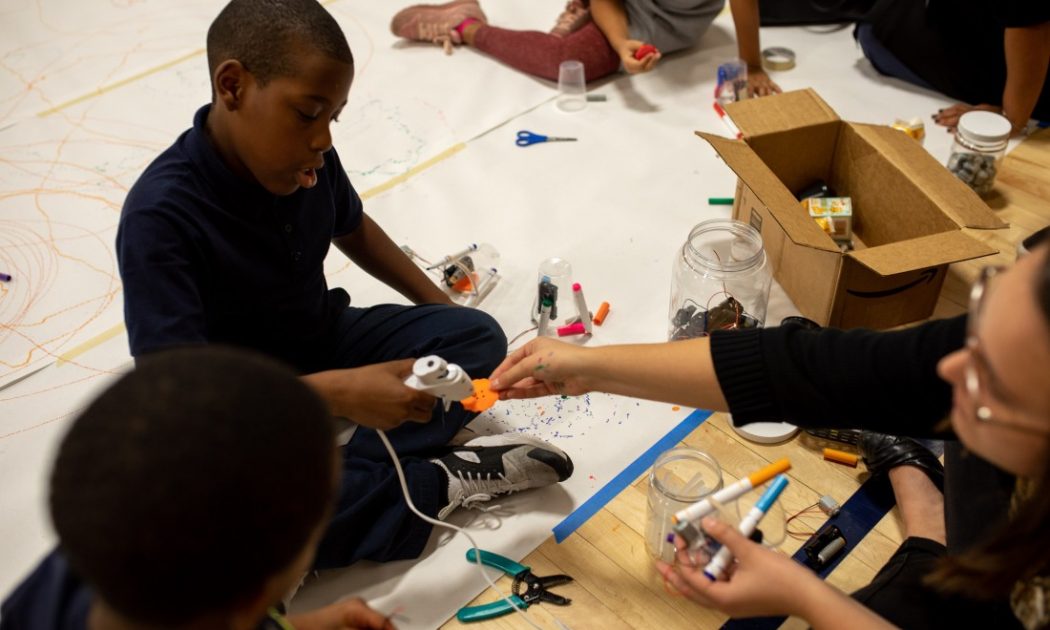
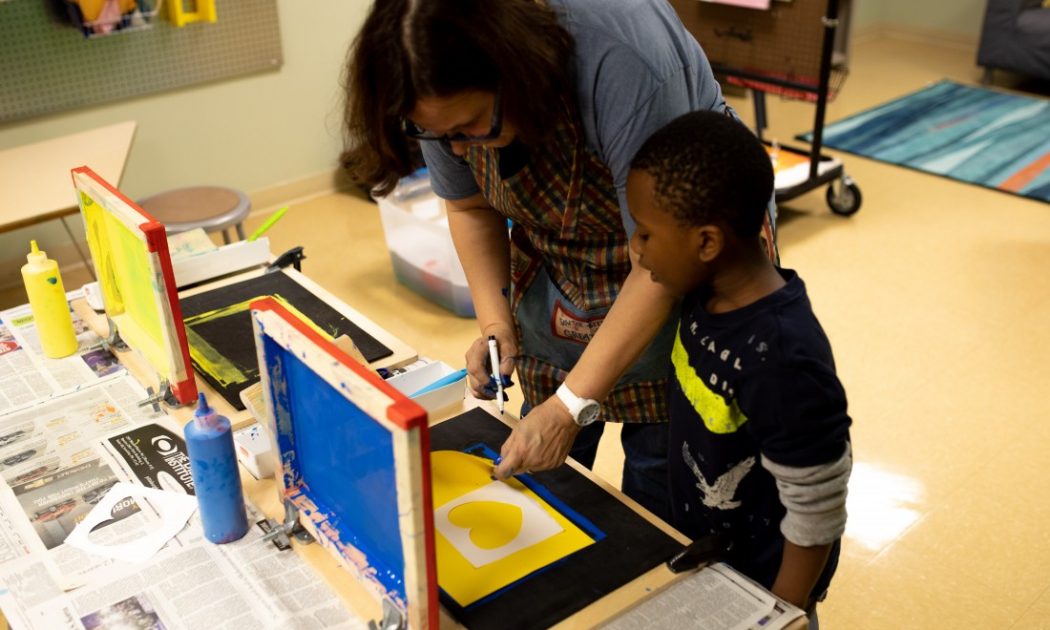
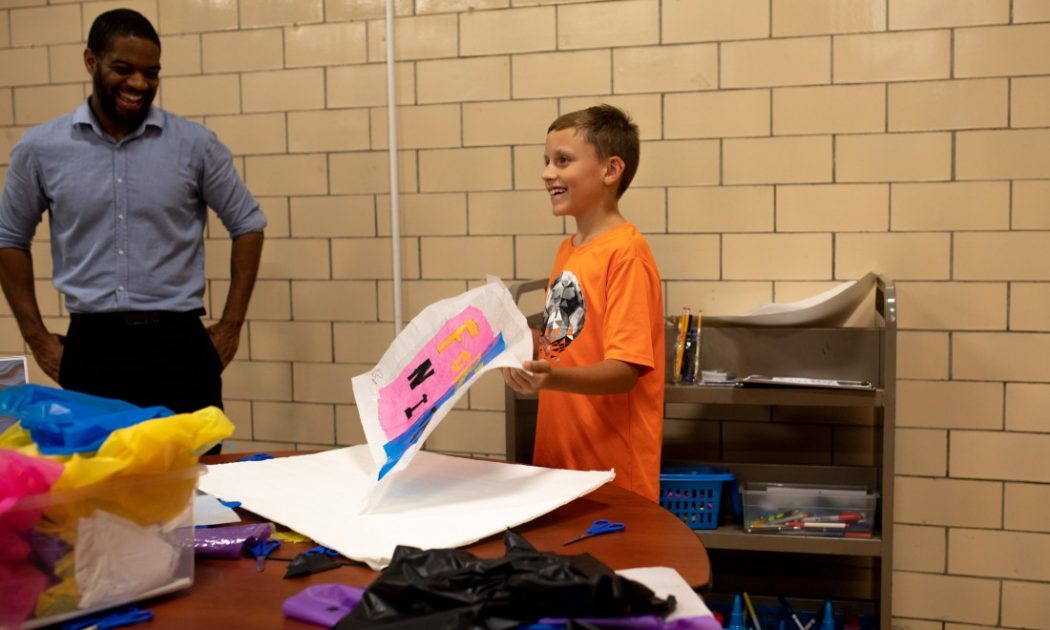
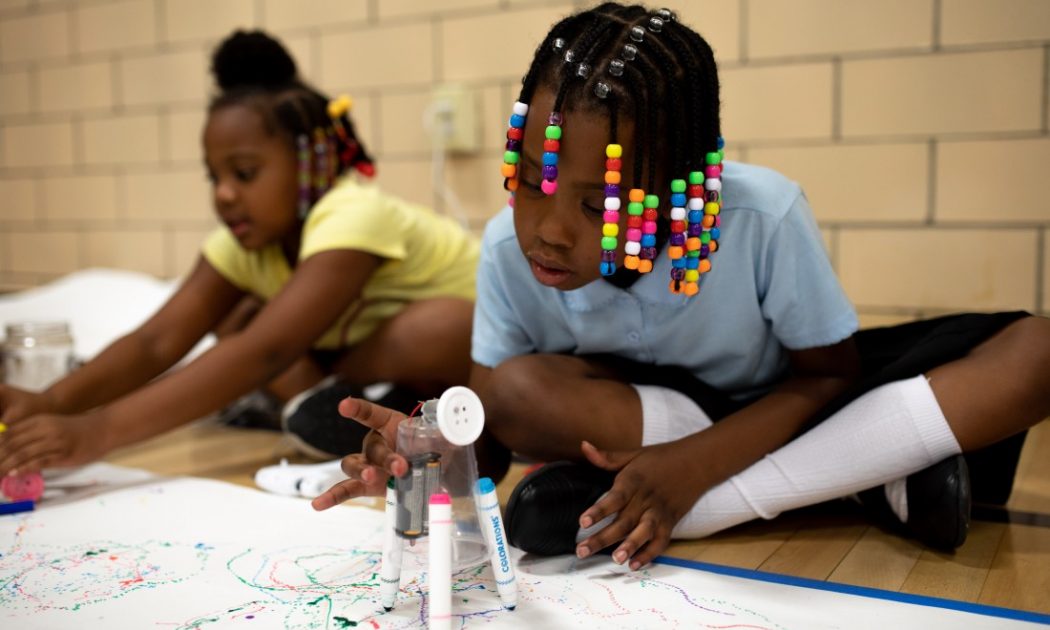
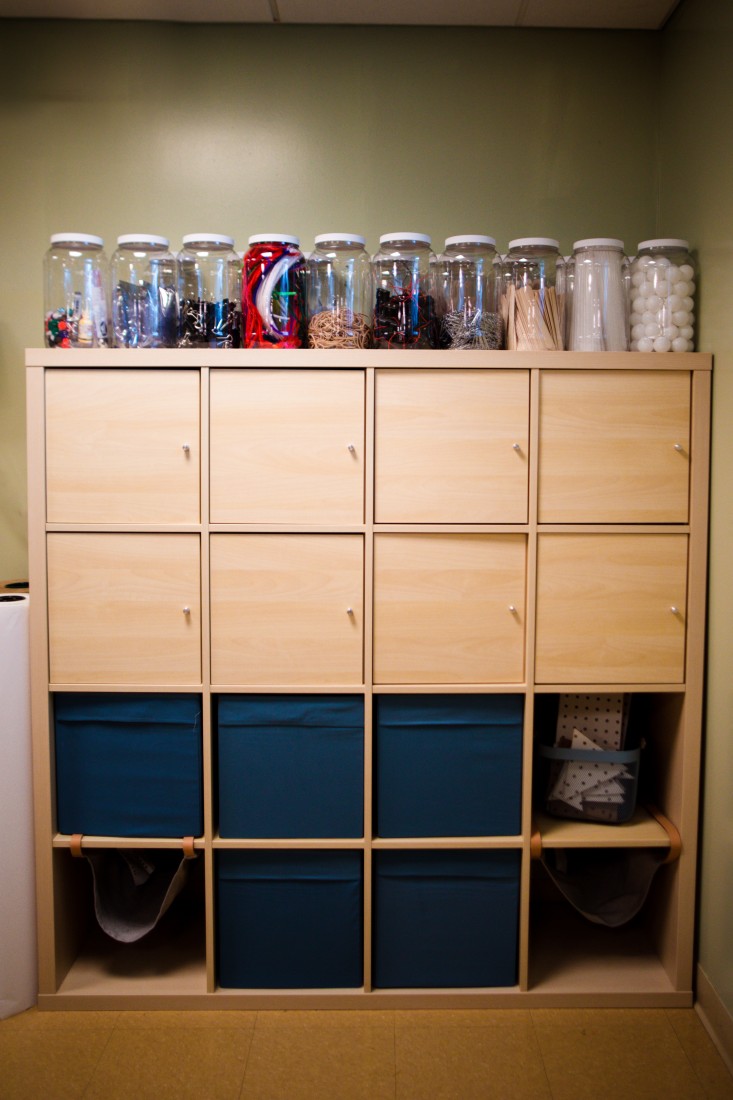
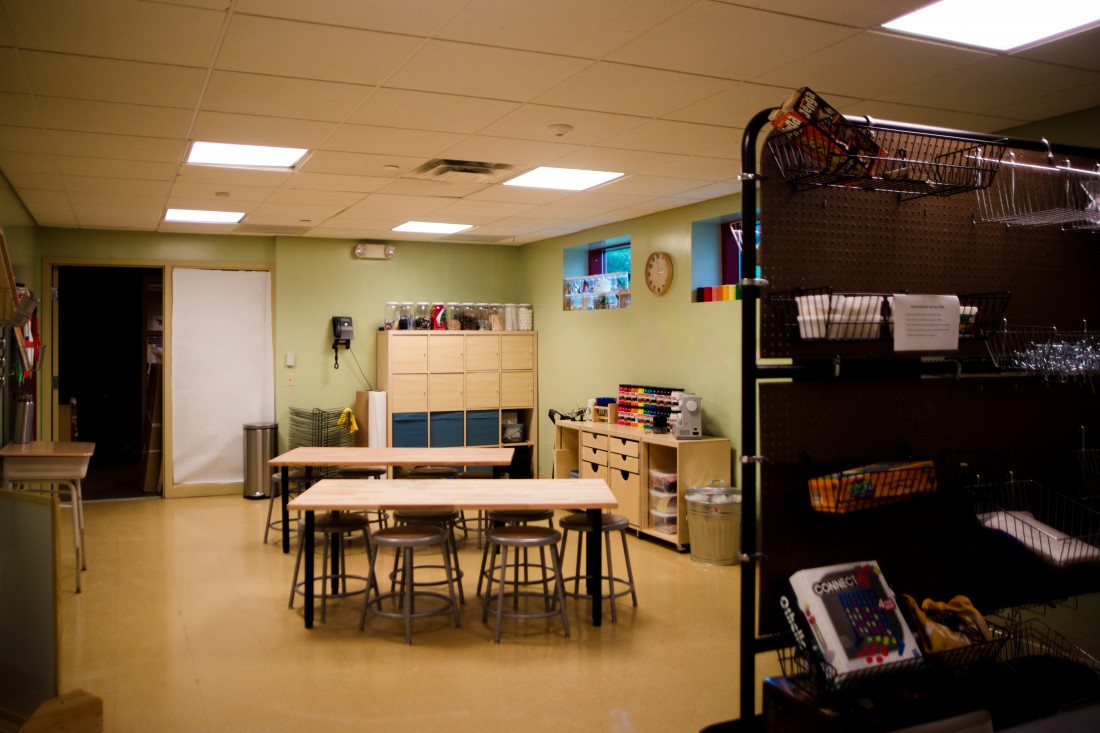
Welcome to the Maker Space at Providence Connections! We are incredibly proud to offer one of the premiere Maker Spaces of any daycare center in the region.
More than just a classroom, our Maker Space is a dedicated laboratory for imagination, where young children are empowered to build, tinker, and discover. We have designed this environment to serve as a comprehensive, one-stop resource for hands-on STEAM (Science, Technology, Engineering, Art, and Math) learning, setting a foundation for lifelong curiosity.
-
Through a partnership with the Children’s Museum of Pittsburgh, Providence Connections has our own Maker Space in the center. Designed by experts from the Children’s Museum, the space provides all PC children and families with the opportunity to collaborate on hands on learning experiences.
What We Do in the Maker Space
In our Maker Space, children don’t just consume information; they create it. Our space is equipped with a wide variety of tools and materials—ranging from natural materials, cardboard, and crafting supplies to building blocks and early technology components.
-
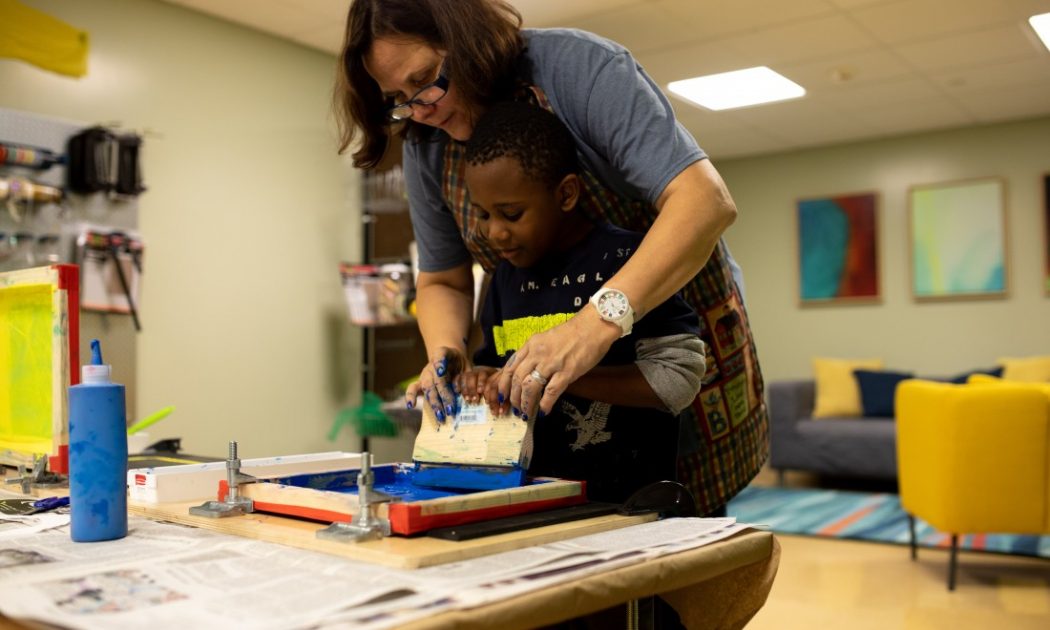
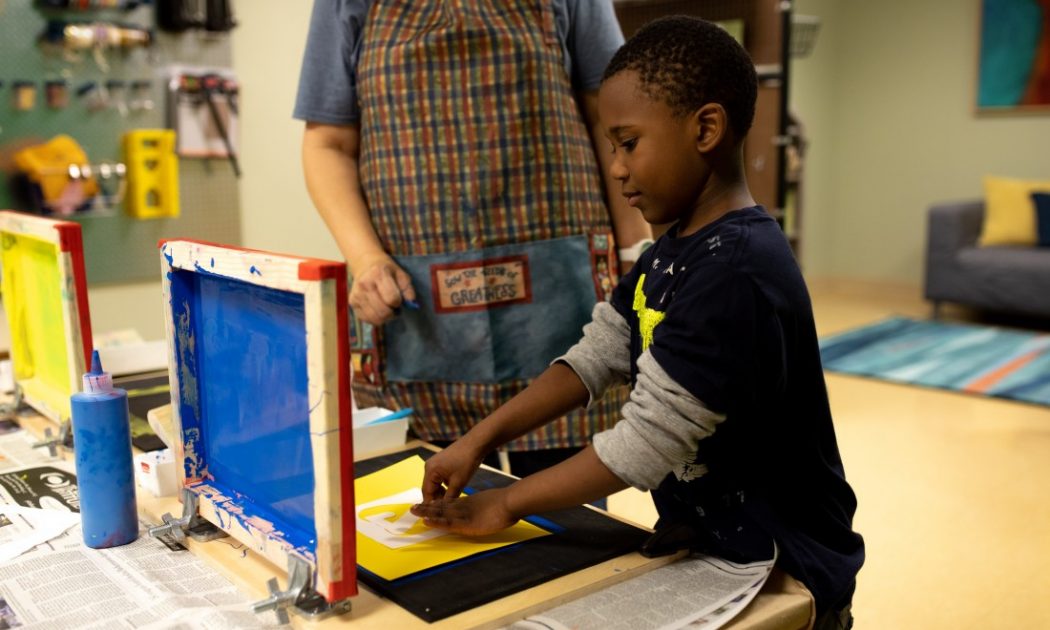
Guided Tinkering: Under the careful guidance of our trained educators, children engage in child-driven projects, exploring how things work by taking them apart and putting them together.
-
Hands-On STEAM Activities: Children learn physics by building ramps and pulleys, or explore geometry through structural building, translating abstract concepts into concrete, hands-on experiences [1, 4].
-
Scaffolded Support: Because early introduction to tools can sometimes be overwhelming, our expert teachers provide the necessary support and scaffolding to ensure every child feels confident and safe while mastering new skills [2].
Why Our Maker Space is Essential for Children
Research consistently highlights the transformative power of makerspaces in early childhood. Here is why prioritizing this space is so critical for our kids:
-
Fostering 21st-Century Skills and Creativity: Makerspaces are proven to nurture divergent thinking—the ability to generate multiple, novel, and varied solutions to open-ended problems [2]. It allows children to express themselves uniquely through open-ended exploration [4].
-
Building Resilience and Confidence: When a structure falls down or a design doesn’t work, children learn to analyze the problem, adjust their tactics, and try again. This process teaches them that failure is simply a stepping stone to success, building profound personal resilience [1].
-
Enhancing Fine Motor and Cognitive Skills: The physical act of cutting, connecting, and building develops crucial fine motor coordination alongside early engineering, technological, and mathematical thinking [3, 4].
-
Encouraging Collaboration: Team projects in the Maker Space require kids to communicate, share ideas, and develop empathy, strengthening their social-emotional development and teamwork skills [1, 4].
The Importance of Makerspaces to Our Community
The impact of our Maker Space extends far beyond the walls of Providence Connections; it is a vital investment in our community’s future.
-
Promoting Educational Equity: Historically, access to early engineering, technology, and advanced sciences has been uneven. By integrating a premier Maker Space directly into our daycare, we ensure that all children—regardless of socioeconomic background or learning style—have early and equal access to the tools of innovation [1].
-
Breaking Down Gender Stereotypes: Research shows that targeted, inclusive makerspace activities can bridge the gap in technology confidence between boys and girls early on, creating an environment where every child feels empowered to excel in STEM [2].
-
Preparing Future Innovators: By fostering engaged learners who are motivated by hands-on creation, we are helping to raise a generation of resilient problem-solvers equipped to tackle the challenges of tomorrow’s workforce and elevate our community as a whole [1, 3].
Sources & Further Reading
-
Walden University. “The Benefits of a Makerspace Learning Environment.” Read the article
-
Peleg, A., & Levy, S. T. (2025). “The Impact of Makerspaces in Early Childhood Education on Children’s Creativity and Self-Efficacy.” Journal of Research in Childhood Education. Read the study
-
ScienceDirect. (2025). “Makerspace learning.” Review the literature
-
Preschool STEAM. “Play with Purpose: How Makerspaces Promote Hands-On Learning in Preschool.” Read the article
-