
-
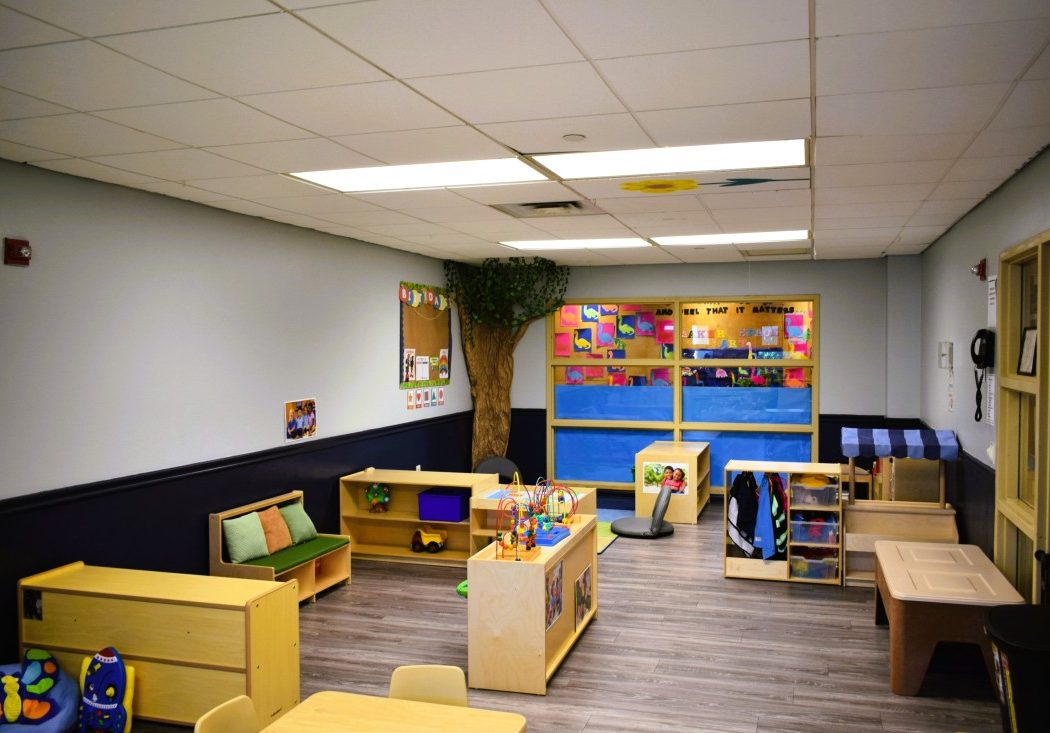
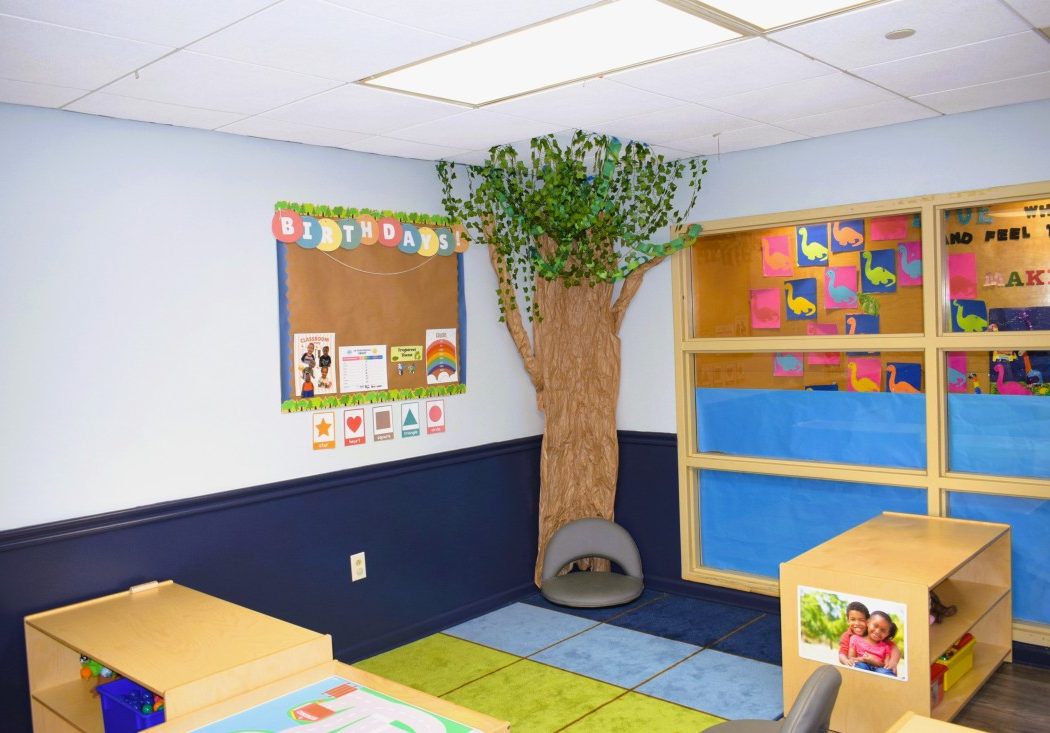
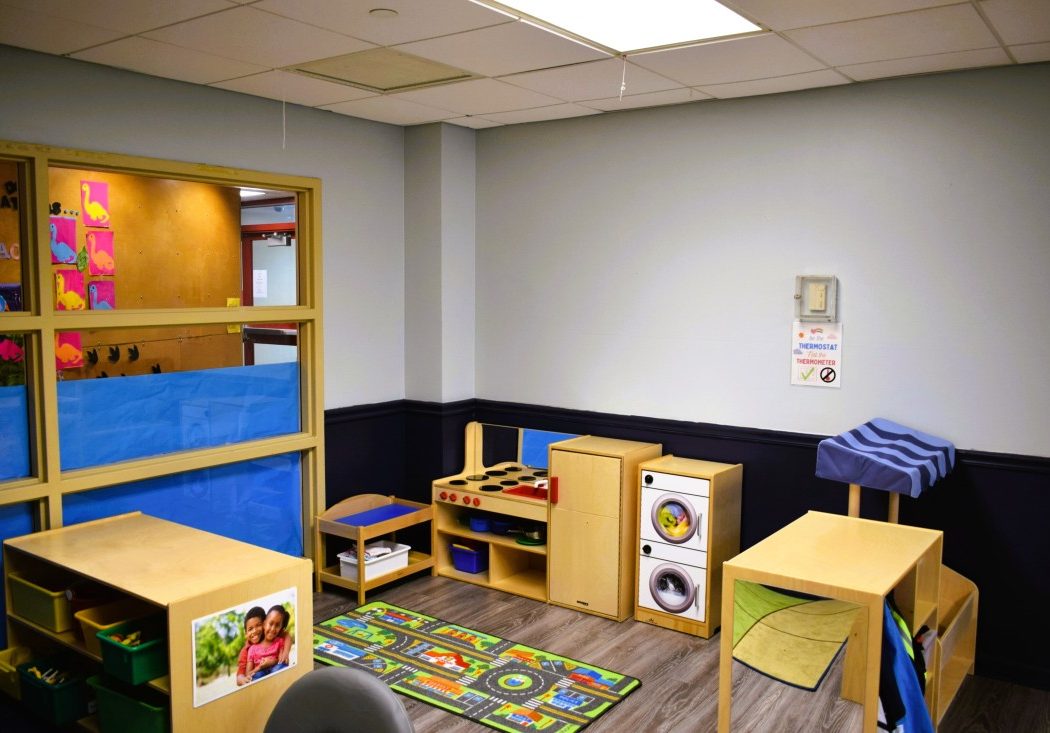
Our Early Head Start program serves toddlers from age 1 to 3 years of age. The EHS program provides intensive comprehensive child development and family support services to low-income families. The classroom-based option is a Monday to Friday, year-round program. Toddlers receive free diapers and wipes during school time, as well as free breakfast, lunch, and snack.
The young toddlers early head start classroom gives children the opportunity to practice new social skills, play more independently and try doing things for themselves. Children can explore simple, interesting materials and are beginning to handle small group activities. Teachers and caregivers encourage children to use their words and help them express their feelings in positive ways.
1. Fostering Independence & Self-Care
-
Mastering the Basics: Transition all children smoothly to open-cup drinking and utensil-led self-feeding to promote fine motor control and table etiquette.
-
Positive Potty Readiness: Create a pressure-free potty training environment using the 45–60 minute interval routine and sticker rewards. The goal is confident pull-up readiness by their second birthday to ensure a smooth transition to the next classroom.
-
Classroom Autonomy: Encourage toddlers to take ownership of their environment and hygiene by consistently using child-level resources (like the paper towel dispenser and accessible sinks) and making their own choices during center play.
2. Expressive Language & Emotional Regulation
-
Building the “50-Word Bank”: Actively expand vocabularies so every child reaches the 50-word and short-sentence milestone. Achieve this through immersive read-alouds, library-sourced books, and constant verbal modeling.
-
Naming the Emotion: Help toddlers replace physical frustration with expressive words. When “thinking time” is needed, focus the conversation on identifying feelings and learning positive emotional resets rather than just a timeout.
3. Immersive, Theme-Based Exploration
-
Tactile and “Messy” Art: Engage fine motor skills and creativity through hands-on, messy art projects that reflect multicultural celebrations, ensuring whole-group, small-group, and individual variations.
-
Gross Motor Milestones: Maximize gym and outdoor time to develop core physical skills—specifically climbing stairs, riding child bikes, rowing, and throwing/kicking balls.
-
Living the Story: Transform classroom areas (like turning the reading nook into a groundhog’s burrow) to connect physical play with the themes of the books you bring in from the local library.
4. Comprehensive Family Partnership
-
Active Advocacy: Act as a bridge between parents and the wider Providence Connections/Pittsburgh Public Schools network, actively helping connect families to community resources, emergency assistance, and ESL translation services when needed.
-
Milestone Mapping: Utilize the daily sheets, cubby mailboxes, and bi-annual assessments not just to report on the child’s day, but to collaborate with parents on at-home strategies for language building and potty training.
Early head start staff
Dakota Barton
Lead Teacher, Early Head Start 116 -
-
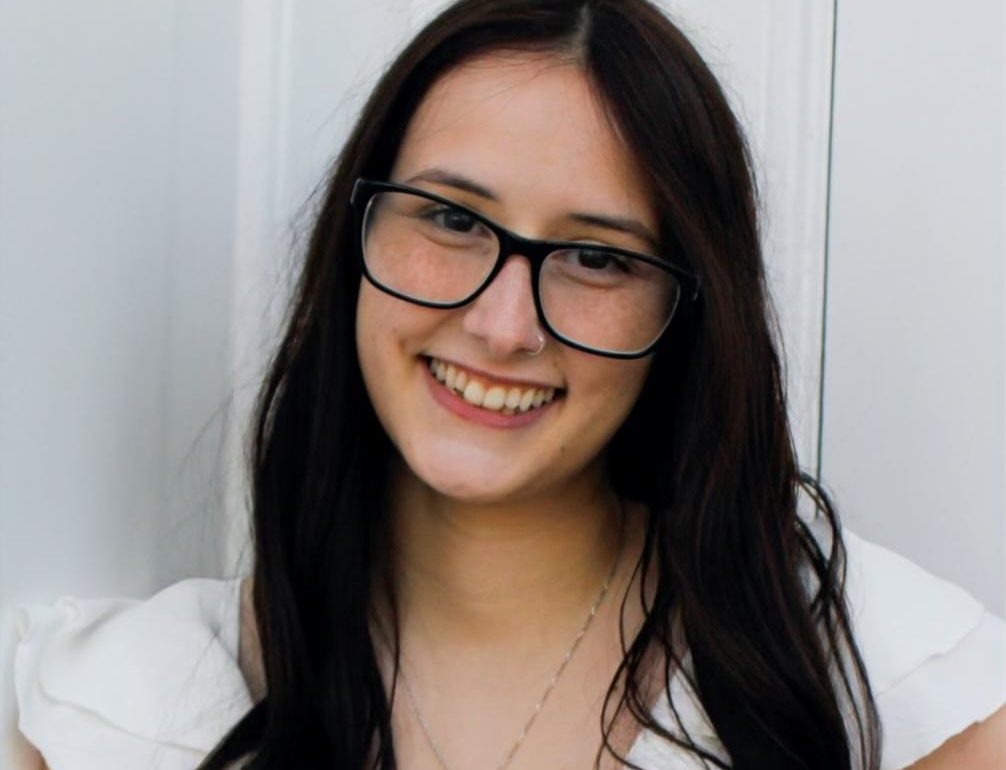
As a Lead Teacher for the Head Start Room, Dakota Barton brings a unique creative background and a deep love for early childhood development to her classroom. Holding a degree in writing, she was drawn to the field through her own family. “Watching them grow up inspired me to come to Providence,” she shares, reflecting on her many nieces and nephews.
Celebrating her first year at the center, Dakota loves building an environment tailored to her students’ interests.
-
-
“Getting to design the room and pick out the toys that they like was a highlight,” she notes. The children also love hearing stories about her life outside the classroom, particularly about her pet rabbit and dog.
Above all, Dakota treasures the daily joy her students bring to the room. “The kids’ attitude, they’re so funny,” she says. “Watching them interact makes me laugh. Especially when they start talking like adults.” When she isn’t teaching, Dakota channels her creativity into reading and writing fiction and short stories.
